In heavy-duty transport, many vehicles deliver their cargo and then travel back empty. This empty return is a real cost: fuel, the driver's time and wear on the vehicle, with no income to cover them.
A return trip changes this. When a carrier finds a shipment that goes in the direction of the way back, the same journey that used to be a loss becomes a source of income.
The challenge has always been finding these shipments in time. They are scattered across many factories and companies, and they are rarely visible to the carrier who needs them.
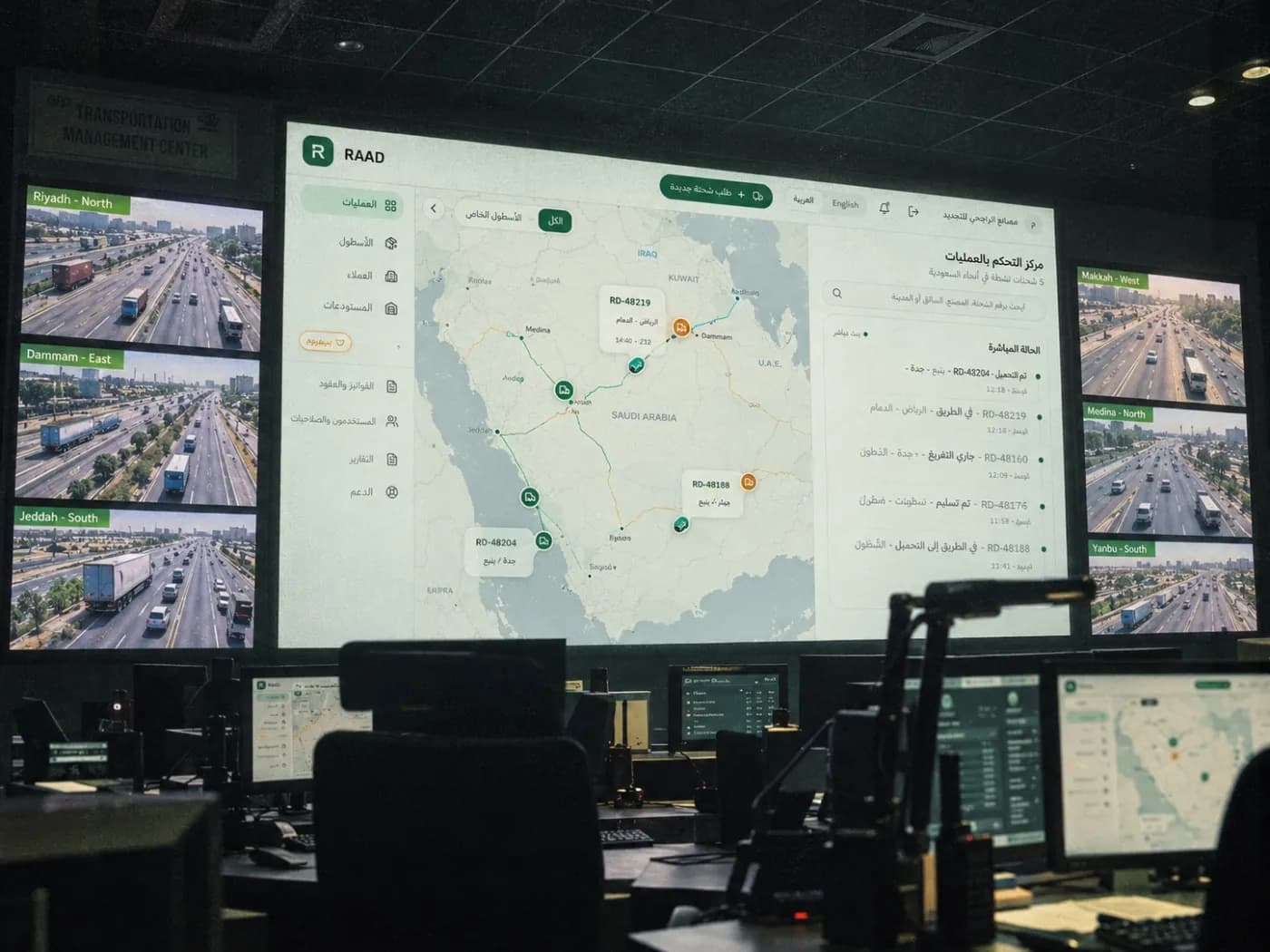
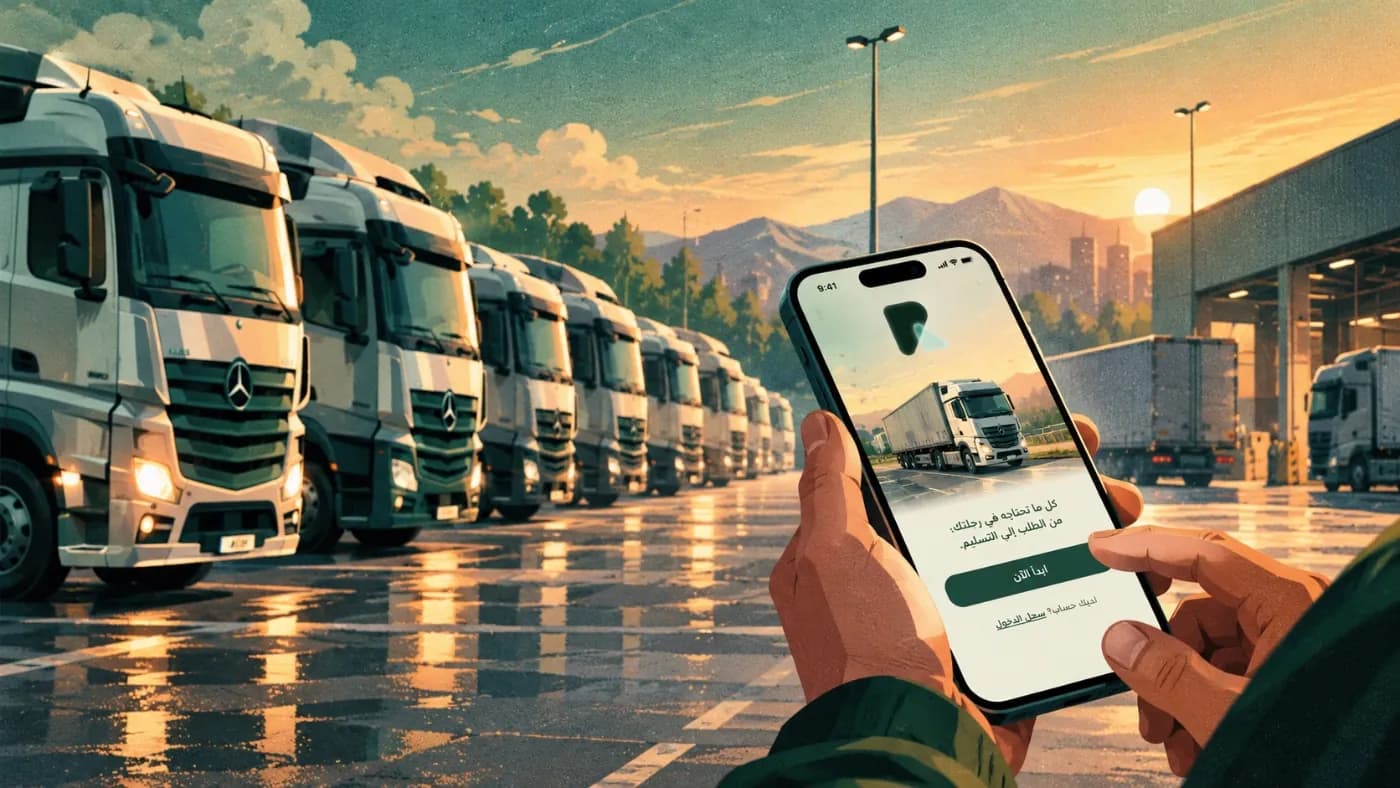
Digital platforms close this gap by showing return shipment opportunities that match a fleet's routes, so carriers can plan them instead of leaving them to chance.
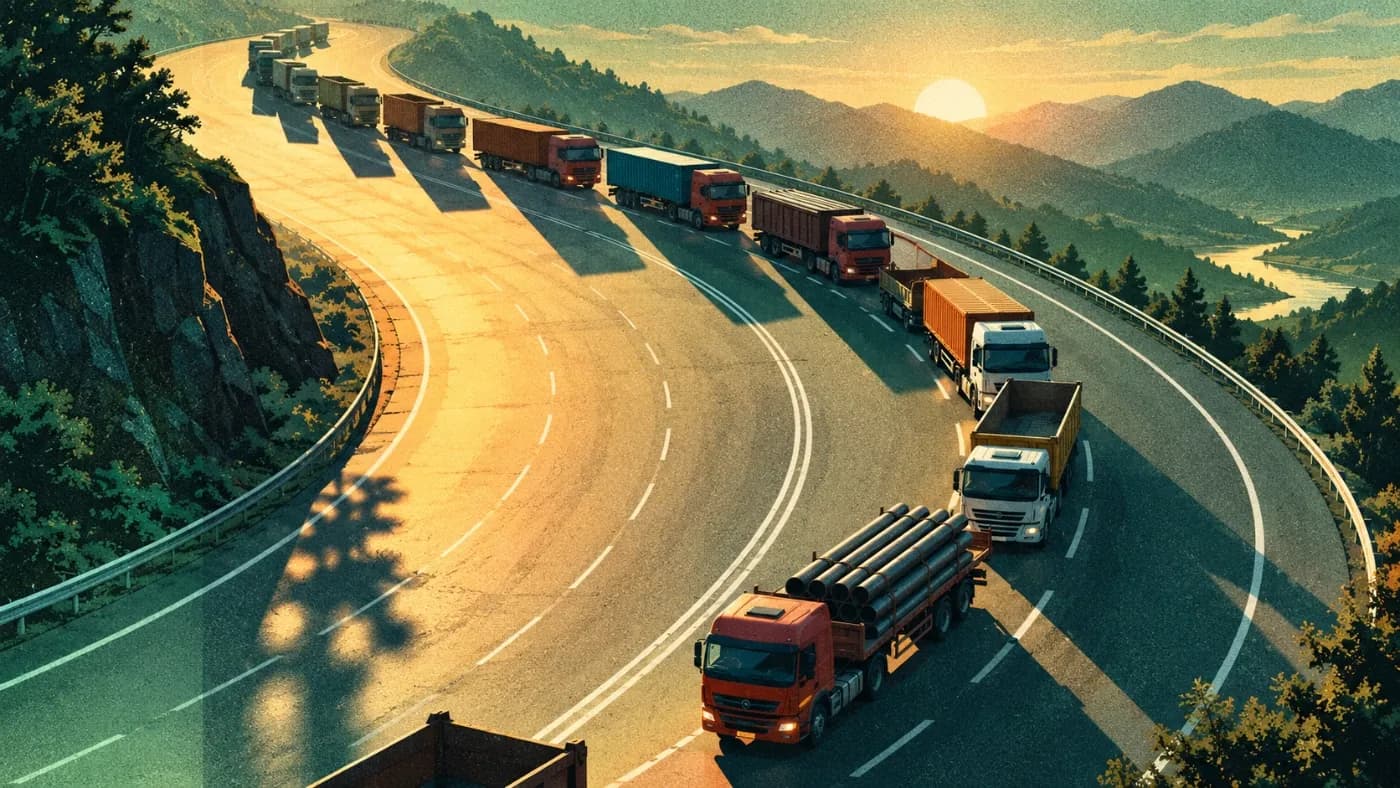
For the whole sector, making use of return trips means fewer empty runs, lower costs and a more efficient use of the vehicles already on the road.